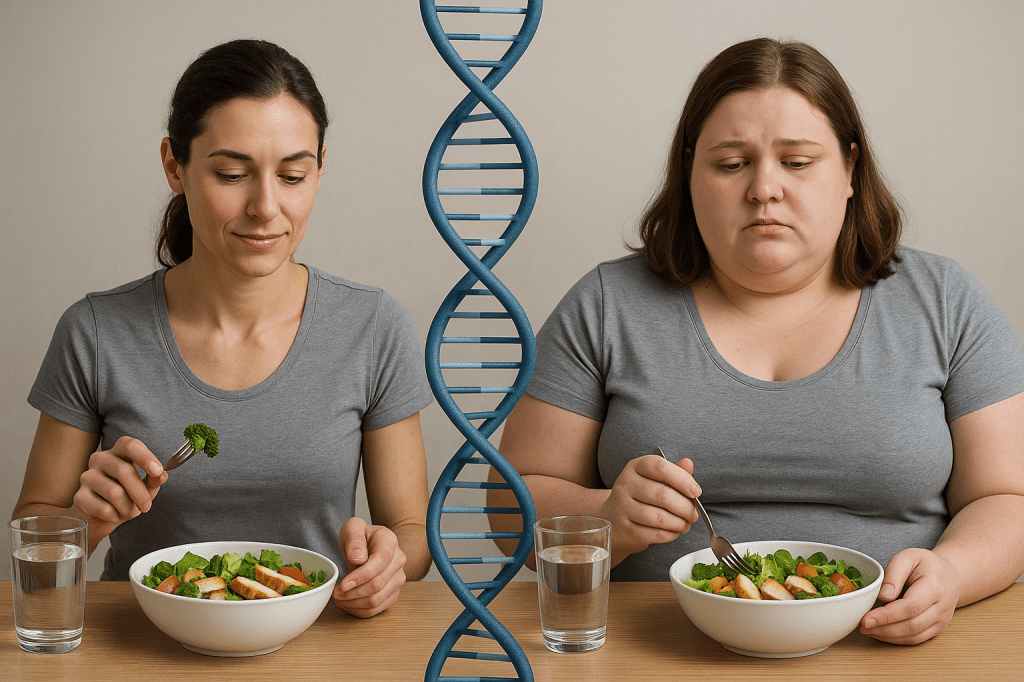
Picture this: You and a friend start the same diet plan. You eat identical meals, follow the same workout routine, yet your results are drastically different. While they shed pounds effortlessly, you struggle to see changes. Why? The secret may be in your DNA.
The Science of Personalized Nutrition
Your genes hold the key to how your body processes nutrients, responds to certain foods, and even influences your risk for specific health conditions. This cutting-edge field, called nutrigenomics, explores the dynamic relationship between genetics and diet, paving the way for a science-backed, highly personalized approach to nutrition.
Traditional diet plans are often based on general guidelines that work for some people but not for others. What fuels one person’s metabolism might slow down another’s. With genetic insights, you can optimize your diet, identify potential nutrient deficiencies, and personalize your nutrition for sustainable health and wellness.
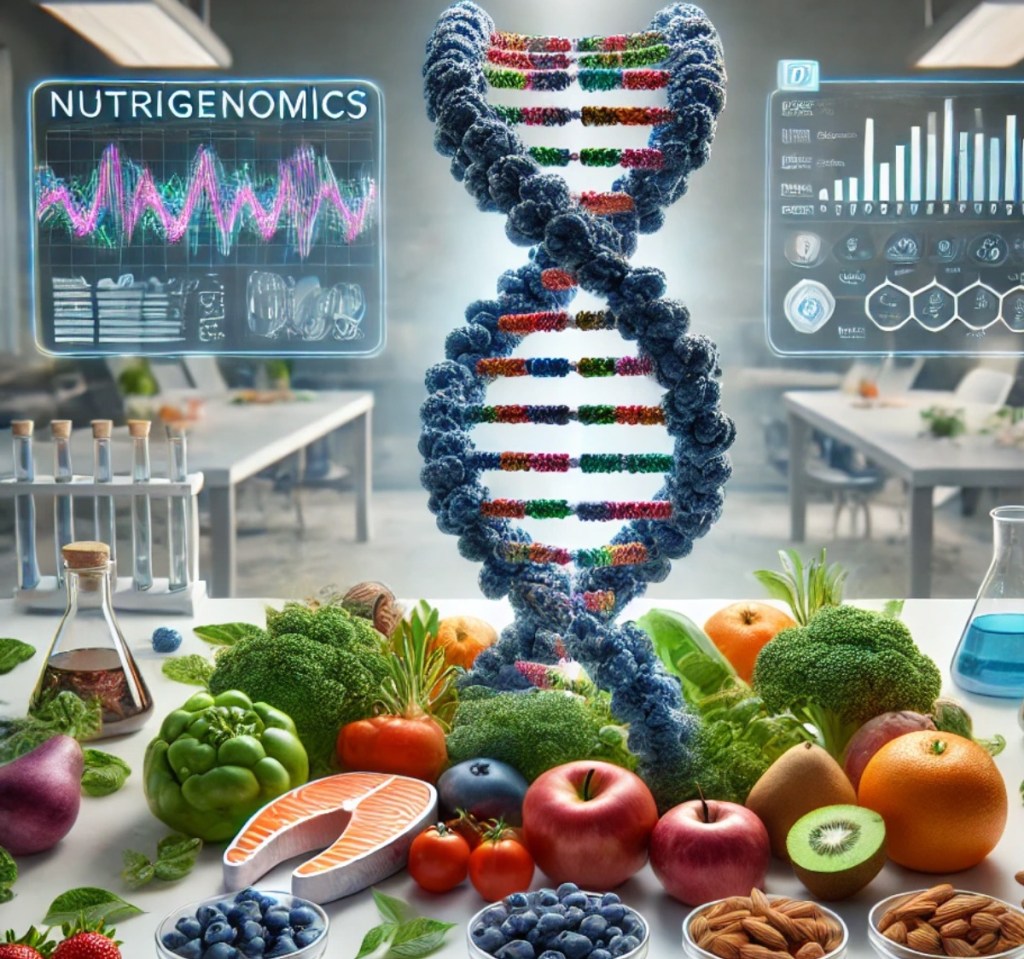
How Your Genes Influence Your Nutrition
Some genes significantly impact metabolism, weight regulation, and nutrient absorption. Two of the most studied are MTHFR and FTO.
1. The MTHFR Gene: A Key Player in Vitamin Absorption
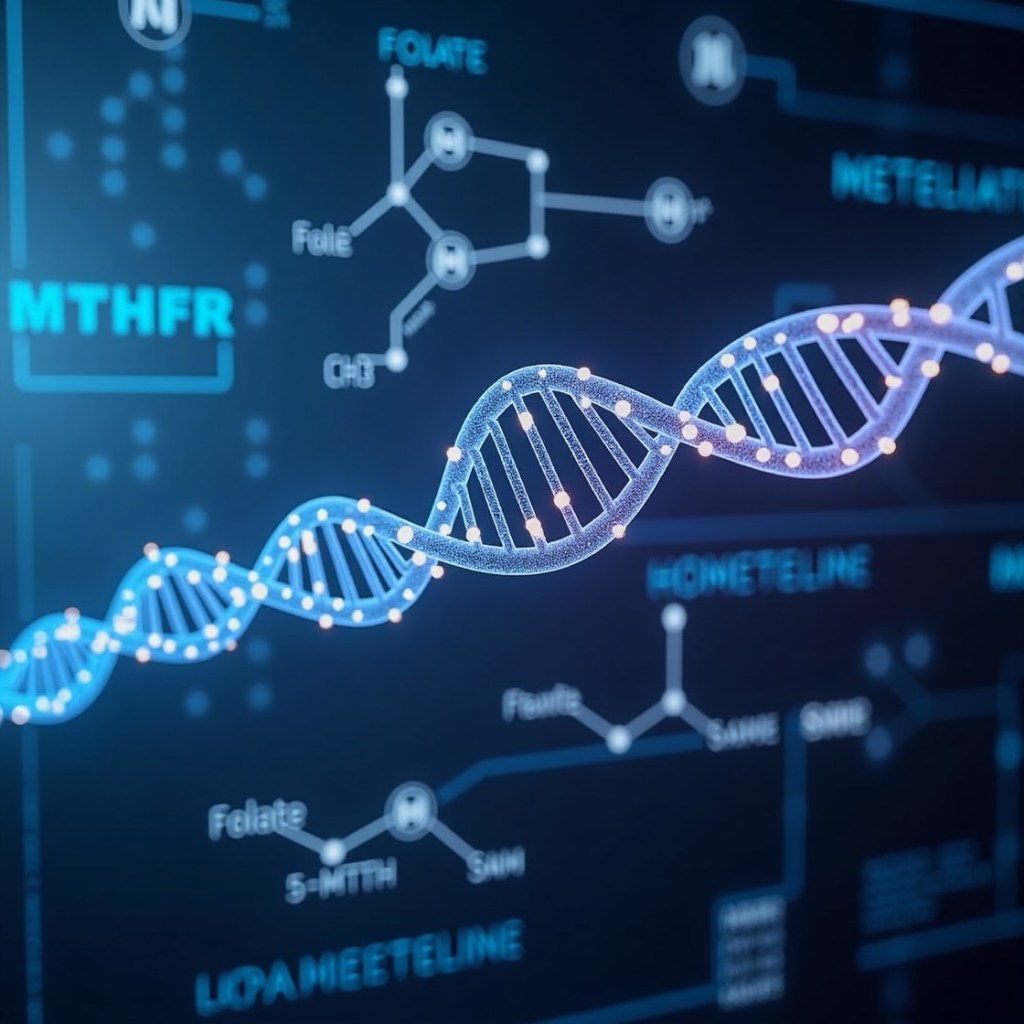
The MTHFR (Methylenetetrahydrofolate Reductase) gene plays a crucial role in processing folate (vitamin B9) and converting homocysteine into methionine, an essential amino acid for detoxification and DNA repair.
🔬 How it affects nutrition: If you have an MTHFR gene mutation (such as C677T or A1298C), your body may struggle to efficiently convert folic acid—the synthetic form of folate found in supplements and fortified foods—into its active form. This can lead to folate deficiency, higher homocysteine levels, and increased risks of cardiovascular disease, neurological issues, and fatigue.
🥦 Personalized Tip: If you carry an MTHFR mutation, prioritize natural folate-rich foods like spinach, asparagus, avocados, and lentils instead of synthetic folic acid. A methylated B-complex supplement can also support your body’s folate metabolism.
2. The FTO Gene: The “Obesity Gene” and Weight Management
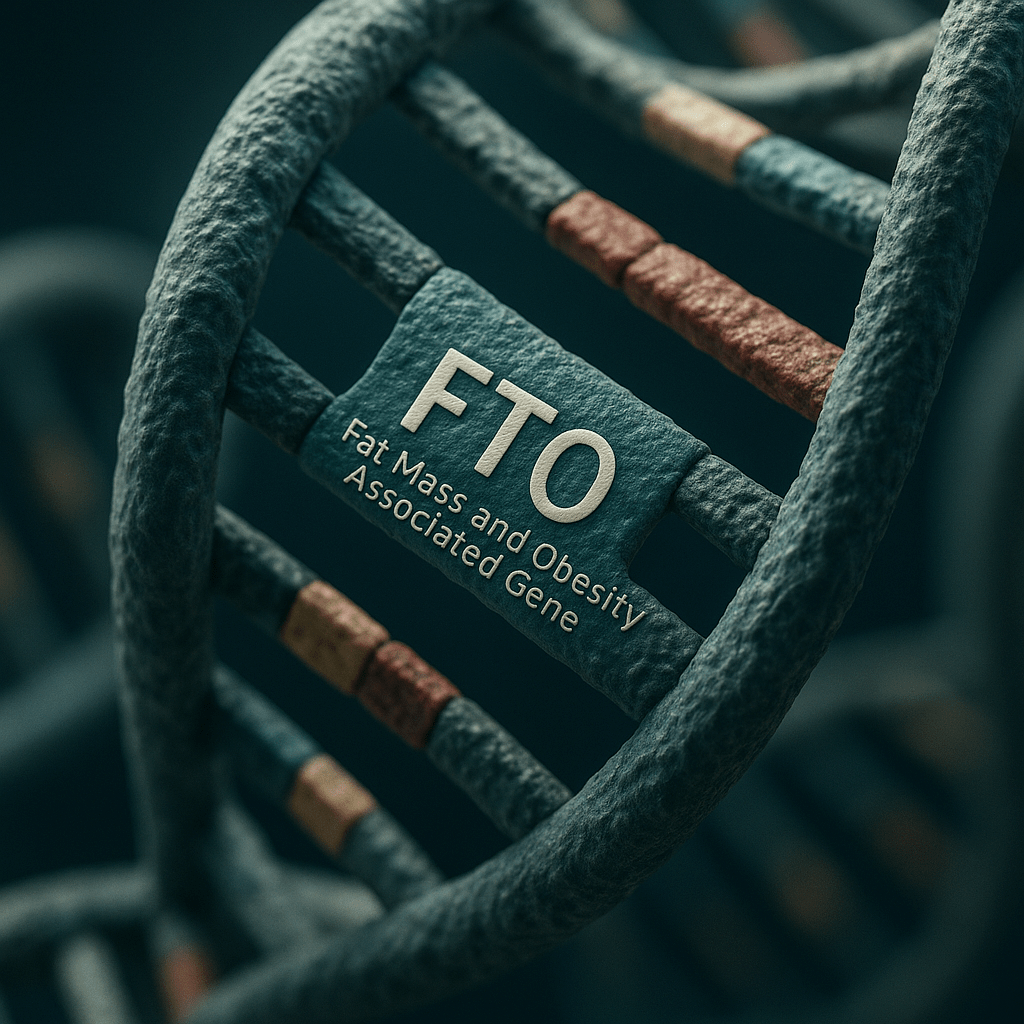
The FTO (Fat Mass and Obesity-Associated) gene is often called the “obesity gene” because certain variations are linked to a higher risk of weight gain and challenges with fat metabolism.
🔬 How it affects nutrition: Variants of the FTO gene are associated with increased appetite, stronger cravings for calorie-dense foods, and a reduced ability to burn fat efficiently. Individuals with certain FTO variations may also have difficulty managing insulin sensitivity and energy balance, making weight loss more challenging.
🥩 Personalized Tip: If you have an FTO gene variant associated with obesity, a high-protein, lower-carb diet combined with resistance training and high-intensity workouts can be effective in regulating appetite and boosting metabolism. Additionally, mindful eating practices—such as meal planning, portion control, and reducing sugar intake—can help manage weight more effectively.
Beyond Weight and Vitamin Absorption: Other Ways Genetic Testing Can Optimize Your Nutrition
Genetic testing offers much more than just weight management insights. It can help fine-tune your diet by revealing:
✅ Metabolism & Macronutrient Processing: Some people metabolize carbs quickly, while others store them as fat more easily. Genetic testing helps determine if your body functions best on a low-carb, high-protein, or balanced diet.
✅ Vitamin & Mineral Absorption: Genetic variations affect how efficiently your body absorbs key nutrients like vitamin D, iron, magnesium, and omega-3 fatty acids. This is especially crucial for those following plant-based diets or experiencing unexplained deficiencies.
✅ Food Sensitivities & Intolerances: Ever wonder why some people can drink multiple cups of coffee without jitters, while others feel anxious after one sip? Genes influence how your body metabolizes caffeine, lactose, gluten, and alcohol, helping you make smarter dietary choices.
✅ Exercise & Performance Optimization: Some individuals thrive on cardio, while others build muscle more effectively with strength training. Your genetic profile can guide you toward the most effective exercise regimen for your body type.
Should You Get a Genetic Nutrition Test?

While genetics play a significant role in your health, they are not the only factor. Lifestyle, gut microbiome diversity, stress levels, and environmental influences also contribute to how your body responds to food. However, if you’ve struggled with weight management, energy levels, or finding the right diet, genetic testing removes the guesswork and provides science-backed recommendations tailored to you.
Companies like 23andMe, Nutrigenomix, and DNAfit offer at-home genetic testing kits that analyze your DNA and provide detailed, personalized nutrition reports. These reports can highlight key dietary adjustments, suggest optimal nutrient intake, and even provide fitness recommendations based on your genetic profile.
The Future of Precision Nutrition

Imagine a future where your smartwatch or fitness tracker not only monitors your activity levels but also recommends meals based on your genetic profile. As technology advances, we are moving toward a world where nutrition is truly customized—reducing the risk of chronic diseases, optimizing athletic performance, and improving overall well-being.
Here’s what the future of nutrition could look like:
🔹 DNA-based grocery shopping lists tailored to your body’s needs
🔹 Smart meal planning apps that create recipes based on your genetic profile
🔹 Supplements customized to correct your unique nutrient deficiencies
🔹 Wearable devices that sync with your DNA data to provide real-time diet and exercise guidance
Take Charge of Your Health

Personalized nutrition is no longer a futuristic concept—it’s here. Instead of following generic diet trends, you now have access to science-driven insights that can help you make smarter, more effective dietary choices for lifelong health and wellness.
While genetic testing isn’t a magic bullet, it’s a powerful tool to help you understand your body at a deeper level. If you’re ready to stop guessing and start eating according to your unique biology, exploring a genetic nutrition test may be the key to unlocking your best health yet.
Are you curious about what your DNA says about your diet? Share your thoughts in the comments below!
 Nutrition & Tech
Leave a comment