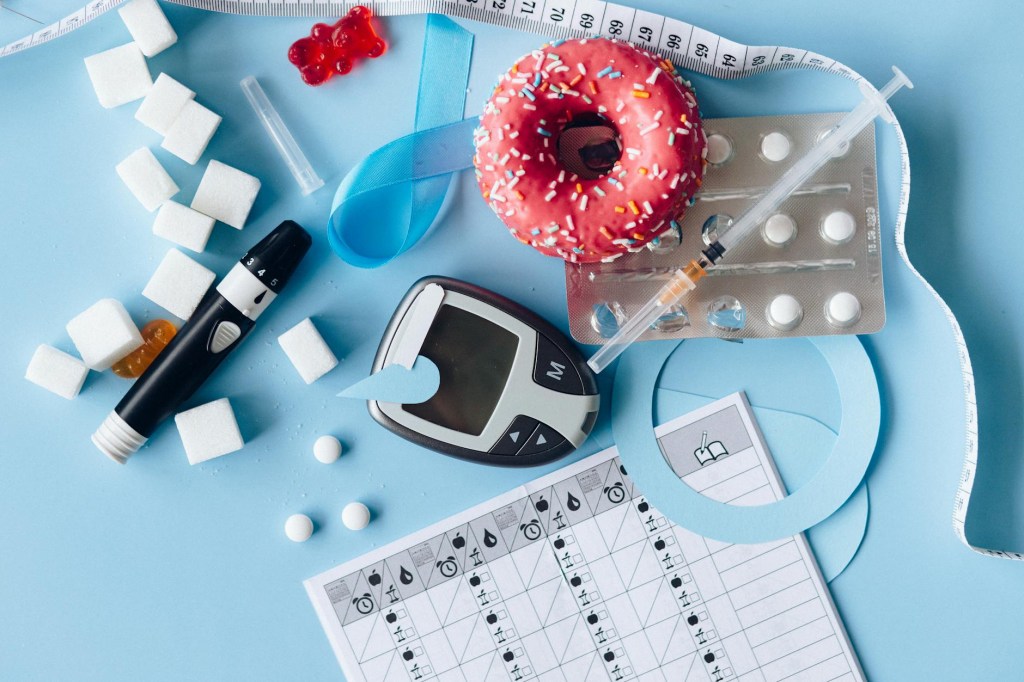
Managing blood sugar is a daily priority for millions of people living with diabetes and those concerned about metabolic health. For decades, monitoring blood glucose meant frequent finger-prick tests — a method that, while effective, can be painful, inconvenient, and easy to neglect.
Today, thanks to advances in technology, monitoring blood glucose has become smarter, easier, and far less intrusive. Let’s explore how new innovations are changing the way we track and manage blood sugar levels.
The Evolution: From Fingersticks to Continuous Monitoring
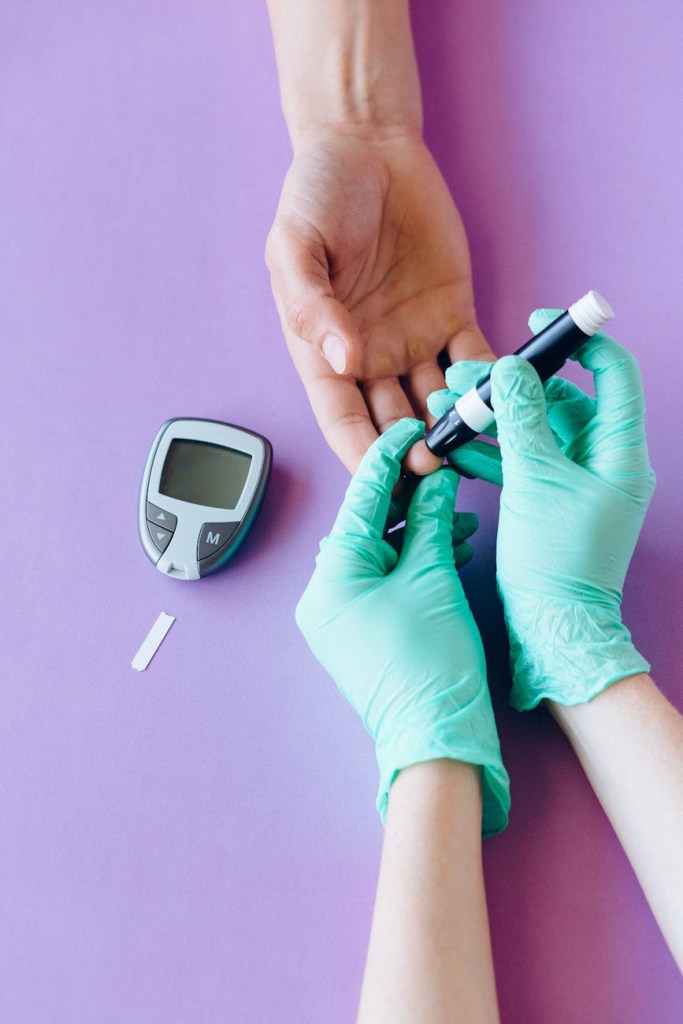
Traditional blood glucose meters (BGMs) require users to puncture their finger, collect a drop of blood, and manually record the reading. While accurate when done properly, it only provides a single snapshot of blood sugar at one moment in time — missing critical trends that happen throughout the day.
Enter Continuous Glucose Monitoring (CGM) systems.
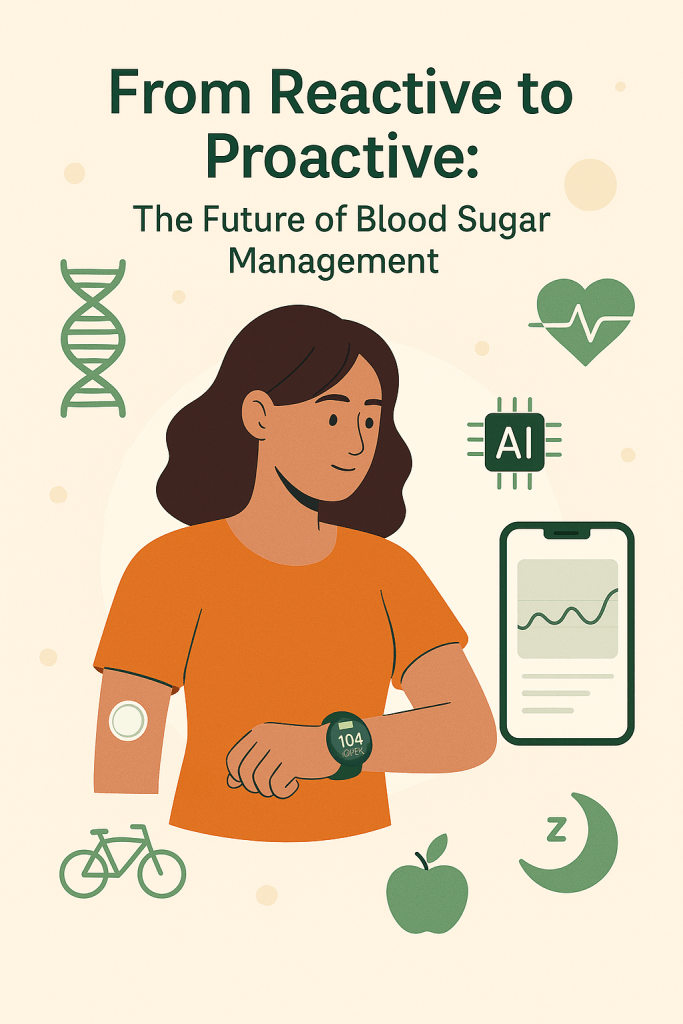
These small, wearable devices automatically measure glucose levels every few minutes, offering a complete picture of how diet, exercise, stress, and sleep impact blood sugar in real-time.
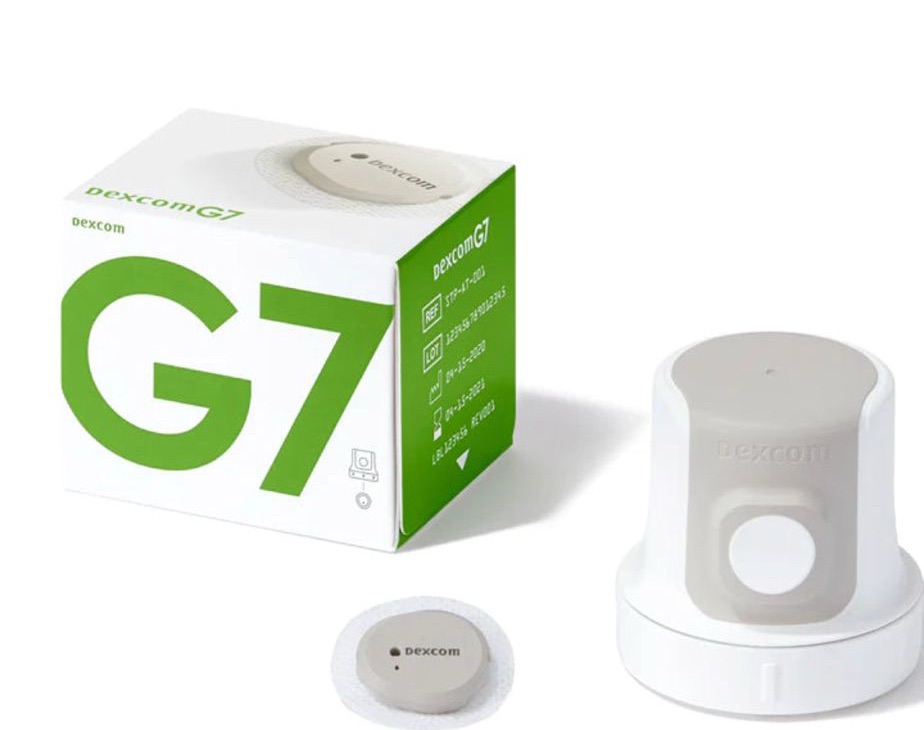
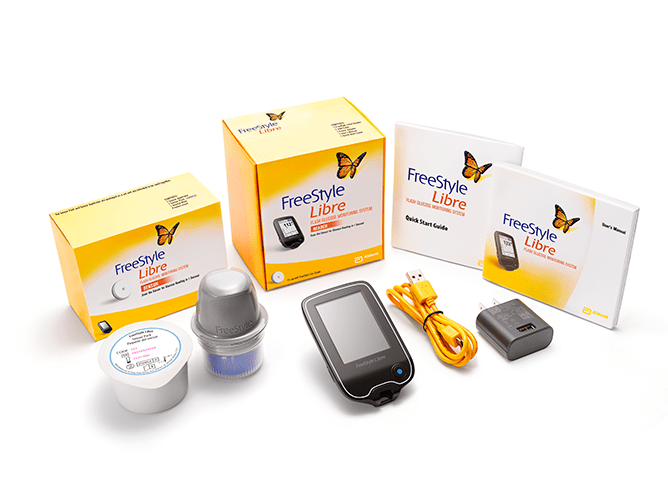
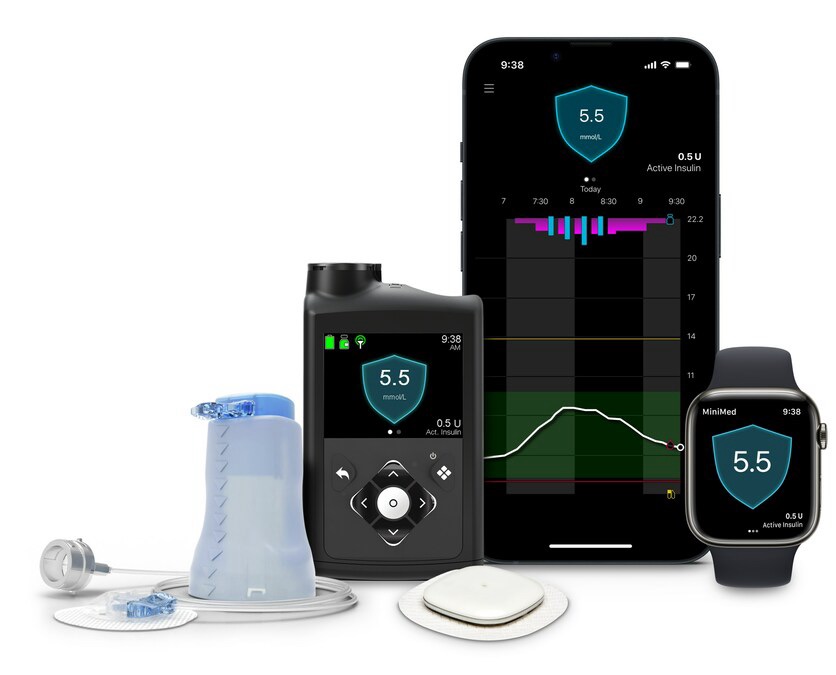
Popular CGM systems like the Dexcom G7, Abbott FreeStyle Libre, and Medtronic Guardian Connect provide:
• Real-time data via smartphone apps
• Alerts when blood sugar rises too high or drops too low
• Data analytics to help users (and their healthcare teams) spot trends and fine-tune treatment plans
CGMs have dramatically improved diabetes management — reducing the risk of dangerous highs and lows, and empowering users with greater control over their health.
Smartwatches and Non-Invasive Monitoring
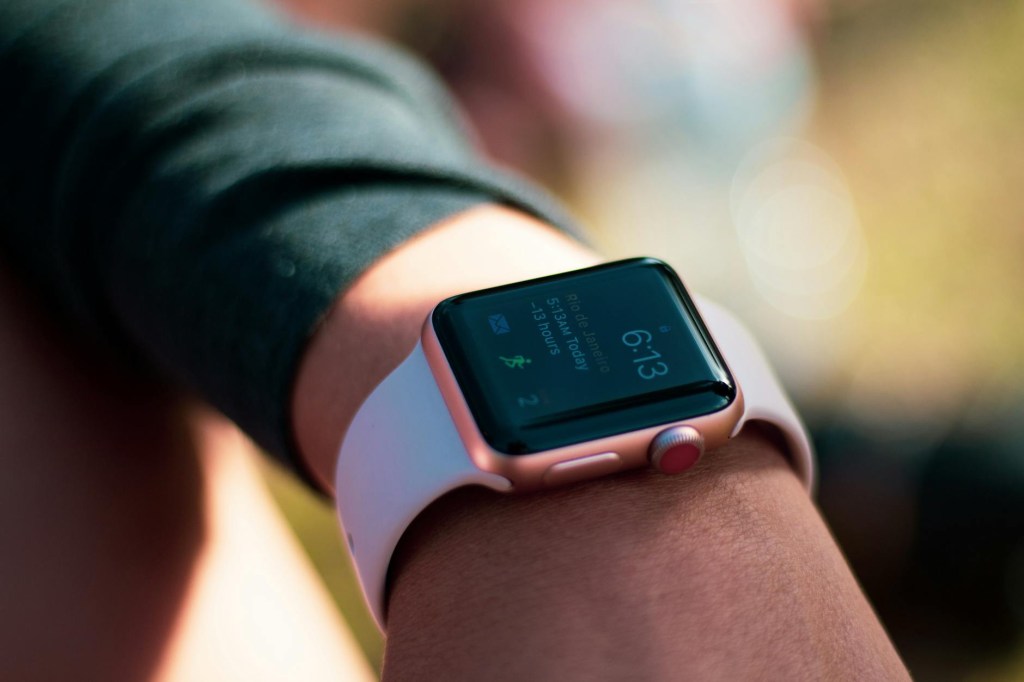
The dream of non-invasive blood glucose monitoring — measuring glucose without any needles or sensors under the skin — is closer than ever.
Companies like Apple, Samsung, and several startups are racing to integrate blood glucose tracking into smartwatches. While still in development, future smartwatches may be able to detect glucose levels using optical sensors that analyze the composition of the blood through the skin.
Imagine a world where checking your blood sugar is as simple and painless as checking your heart rate!
Biosensors and Implantable Devices
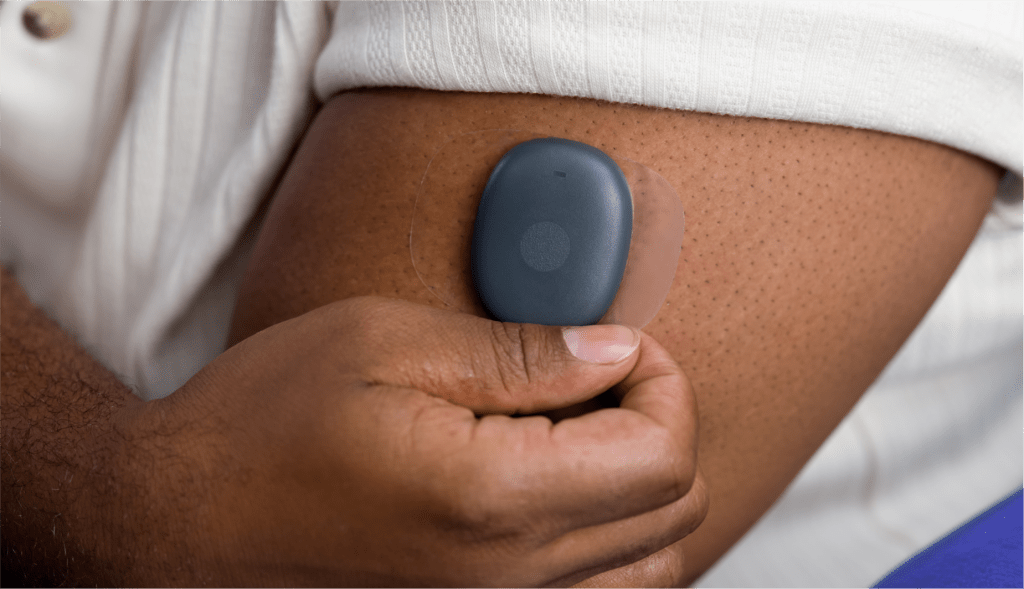
Another cutting-edge innovation is implantable biosensors. These tiny devices are inserted under the skin and can monitor glucose levels for months at a time without needing replacement. Researchers are even developing sensors that combine glucose monitoring with automatic insulin delivery — creating a sort of “artificial pancreas” that could make managing diabetes nearly automatic.
Companies like Eversense have already released implantable CGMs that offer up to six months of continuous monitoring with fewer replacements and fewer alarms, helping users feel more normal and less “tethered” to a device.
The Power of Data: Personalized Nutrition and Lifestyle Changes
One of the most exciting aspects of modern glucose technology is how it helps individuals personalize their lifestyle.
Instead of following general dietary advice, users can now see how specific foods affect their own blood sugar. For example, while oatmeal might be a healthy choice for one person, it could spike another person’s glucose dramatically.
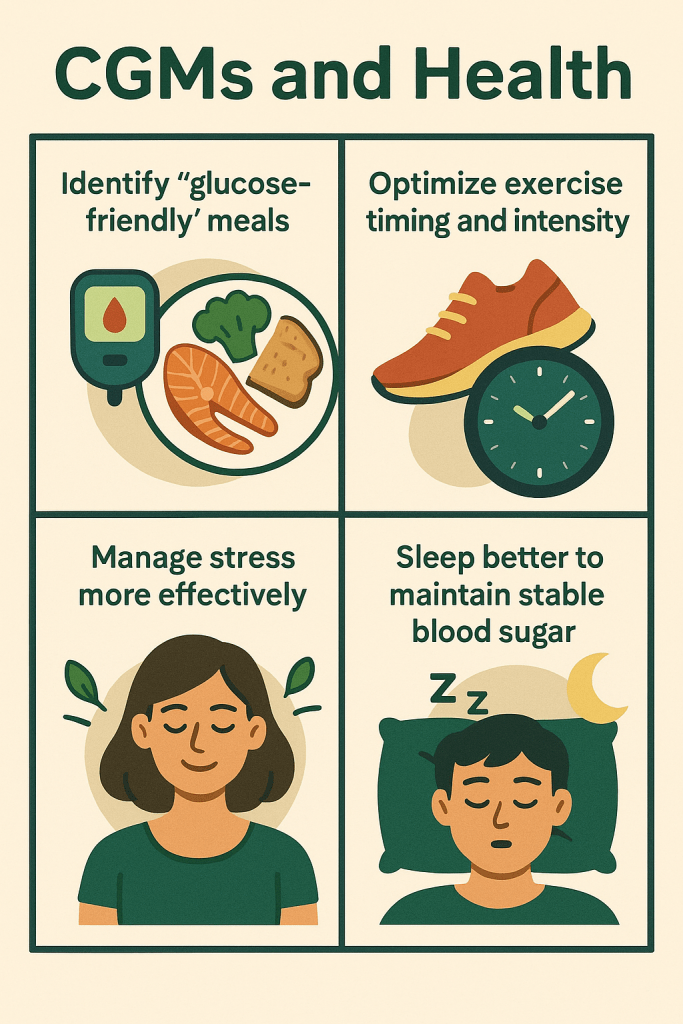
Apps connected to CGMs help users:
• Identify “glucose-friendly” meals
• Optimize exercise timing and intensity
• Manage stress more effectively
• Sleep better to maintain stable blood sugar
In short, technology is allowing for precision nutrition and highly individualized wellness strategies.
Final Thoughts
New technology is taking blood glucose monitoring from a reactive chore to a proactive, empowering tool. Whether through continuous monitors, emerging smartwatches, implantable biosensors, or powerful health data apps, we are entering a future where managing blood sugar is more intuitive, less invasive, and deeply personalized.
For those living with diabetes — and anyone who cares about metabolic health — these innovations aren’t just convenient; they are life-changing.
 Nutrition & Tech
Leave a comment