(A Ghanaian and African Perspective)
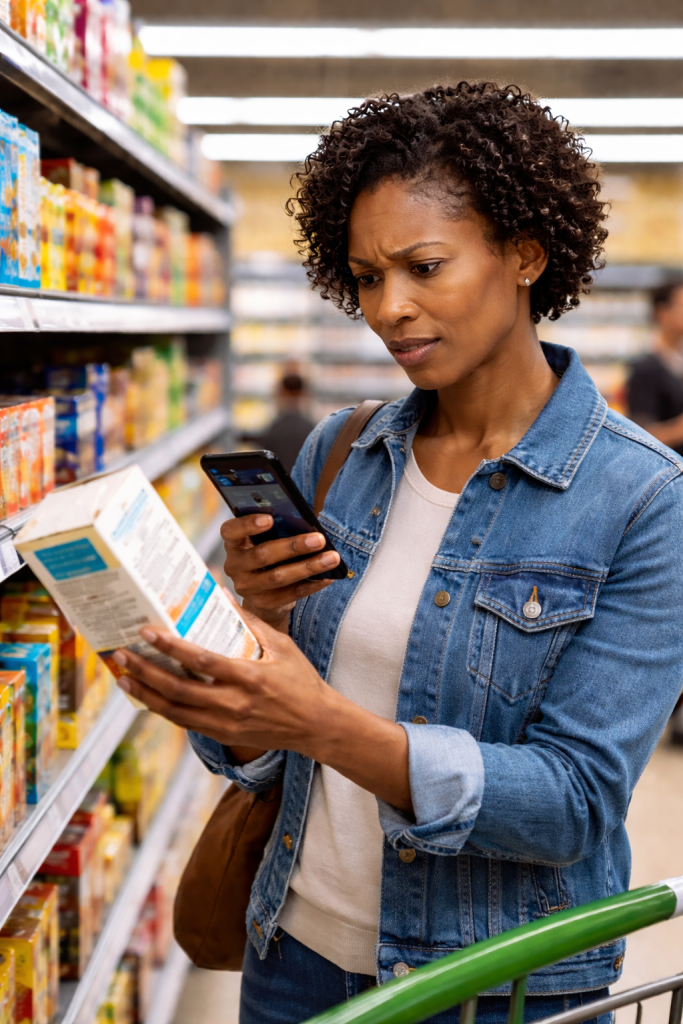
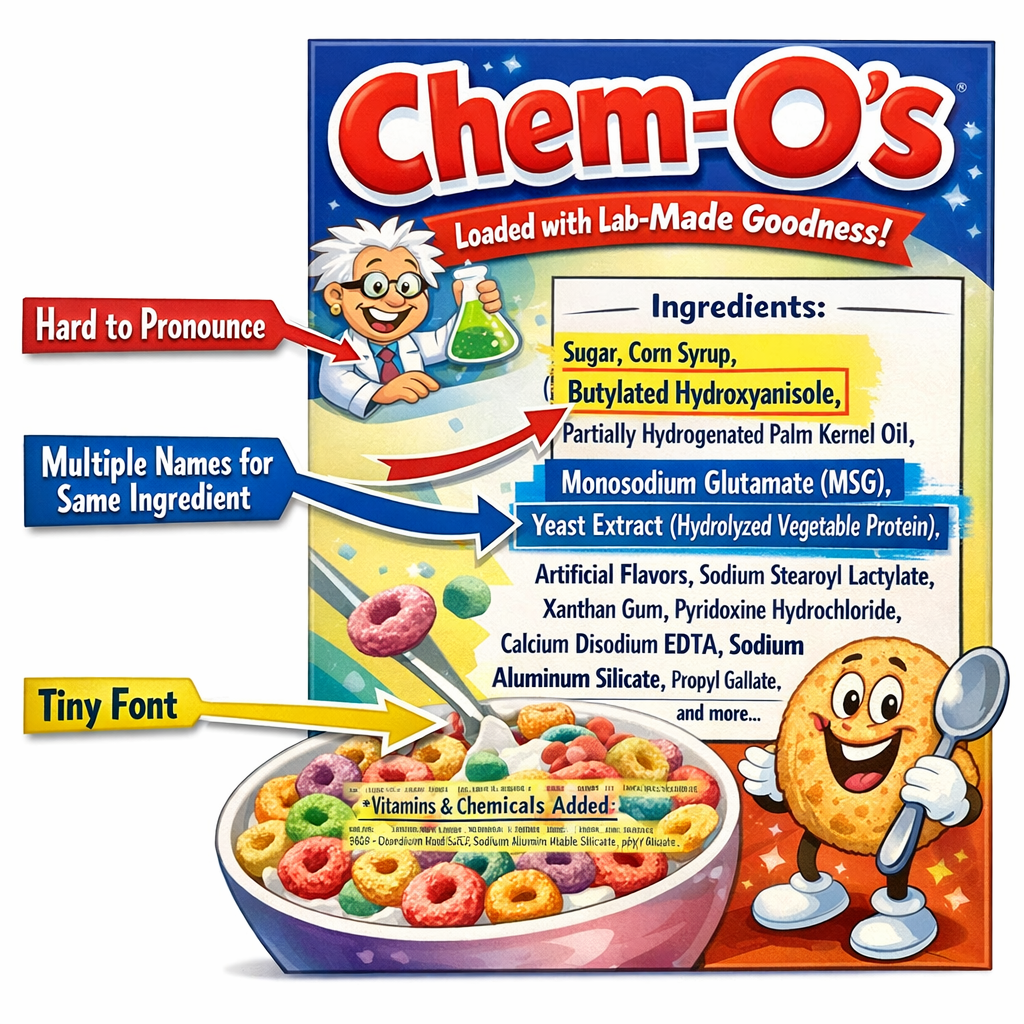
Picture this: you’re standing in a supermarket in Accra, Kumasi, or Nairobi, holding a colorful box of cereal or a packet of biscuits, trying to read an ingredient list that looks like a chemistry textbook. “Tartrazine, BHT, sodium benzoate”—what do these actually mean for your family’s health?
You pull out your phone to Google each ingredient, but the information is confusing, sometimes contradictory, and often written in highly technical language. Eventually, you give up and put the product in your basket, hoping for the best.
This situation happens every day across Africa as more processed foods enter our markets and supermarkets. Artificial Intelligence (AI) is now emerging as a powerful tool that can help consumers understand what they’re eating and make healthier choices more easily.
The Real Challenge with Food Additives
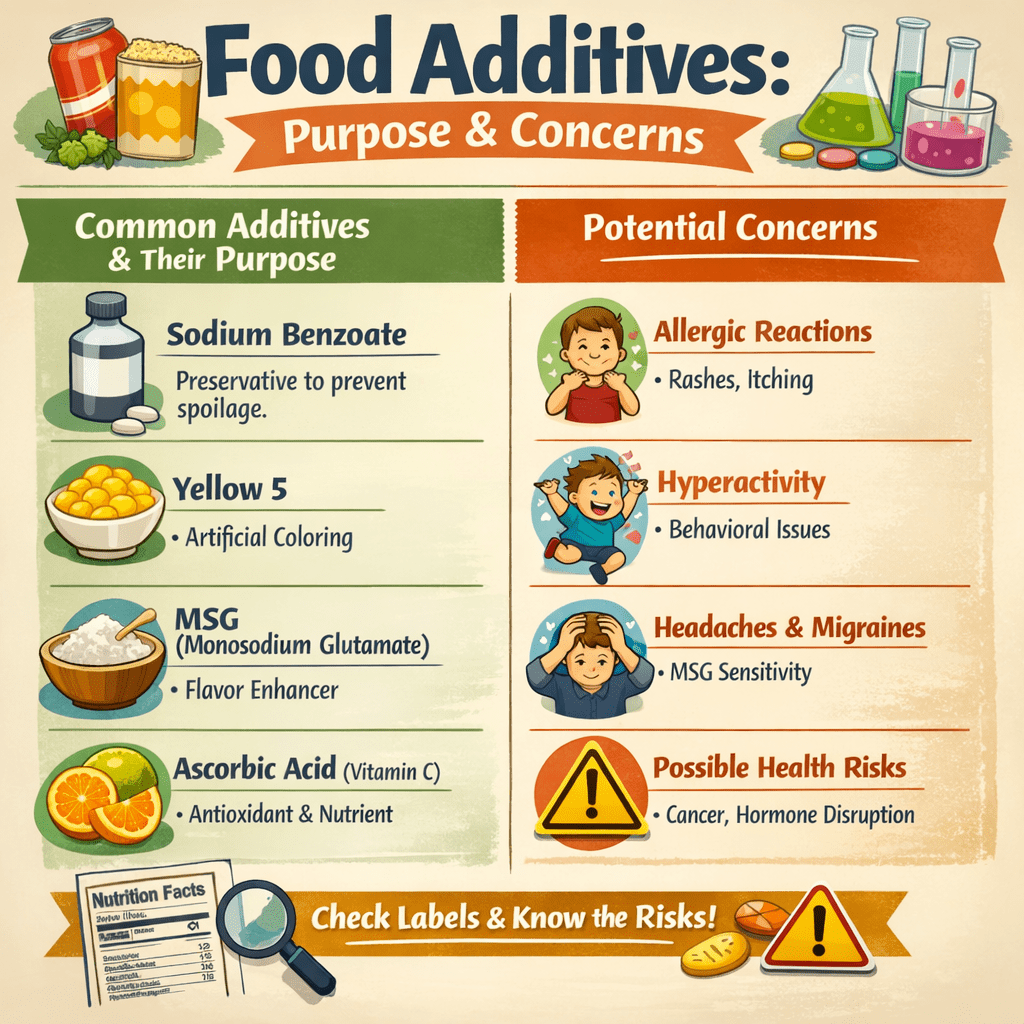
Food additives serve important purposes. They preserve freshness, improve taste, and maintain the appearance of food products. Without preservatives, many packaged foods would spoil quickly in hot climates, which is especially important in many African countries where storage conditions can vary.
However, understanding which additives are harmless and which may cause problems is not easy.
Ingredient labels may list:
Artificial colors like Tartrazine or Sunset Yellow Preservatives such as sodium benzoate Flavor enhancers like monosodium glutamate (MSG) Stabilizers and emulsifiers with unfamiliar names
Some additives, like ascorbic acid (vitamin C), are beneficial. Others remain controversial, especially for sensitive individuals.
For example:
Some studies suggest artificial colors may worsen hyperactivity in certain children. Some people report headaches or sensitivity after consuming foods high in MSG. Processed meats containing sodium nitrite have been linked in research to long-term health risks when consumed frequently.
Regulatory bodies, including the Food and Drugs Authority Ghana, approve additives at safe levels, but individual reactions can still vary.
This creates uncertainty for families who simply want to eat safely.
Why Traditional Solutions Fall Short
In many African households:
- People rely on word-of-mouth or social media for health information
- Internet searches often lead to misinformation.
- Scientific explanations are difficult to interpret without a health or nutrition background.
Even for educated consumers, it can be difficult to connect ingredient lists with real health outcomes.
And in busy urban life, few people have time to research every ingredient in a supermarket aisle.
How AI Bridges the Gap
Artificial Intelligence can process large amounts of scientific research, safety data, and ingredient databases to give simple, practical guidance in seconds.
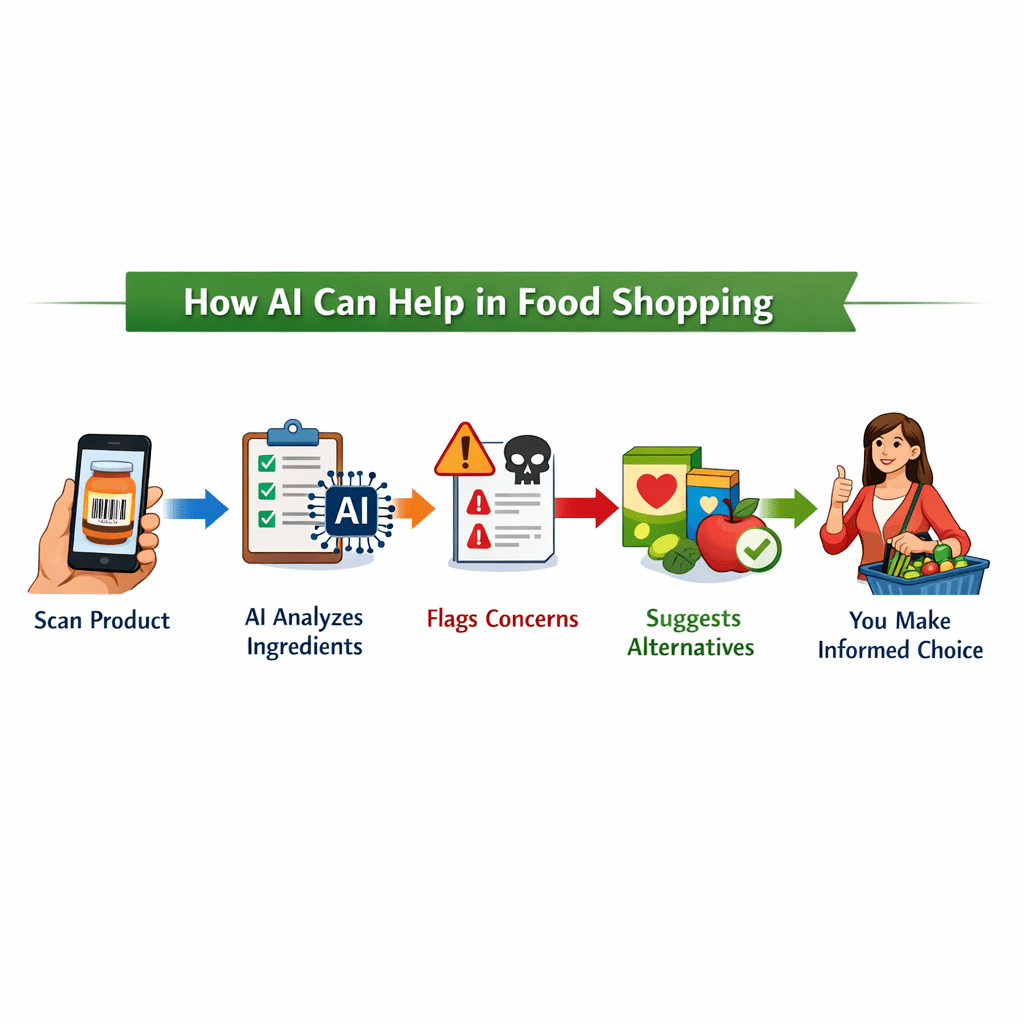
Instead of decoding labels yourself, AI tools can:
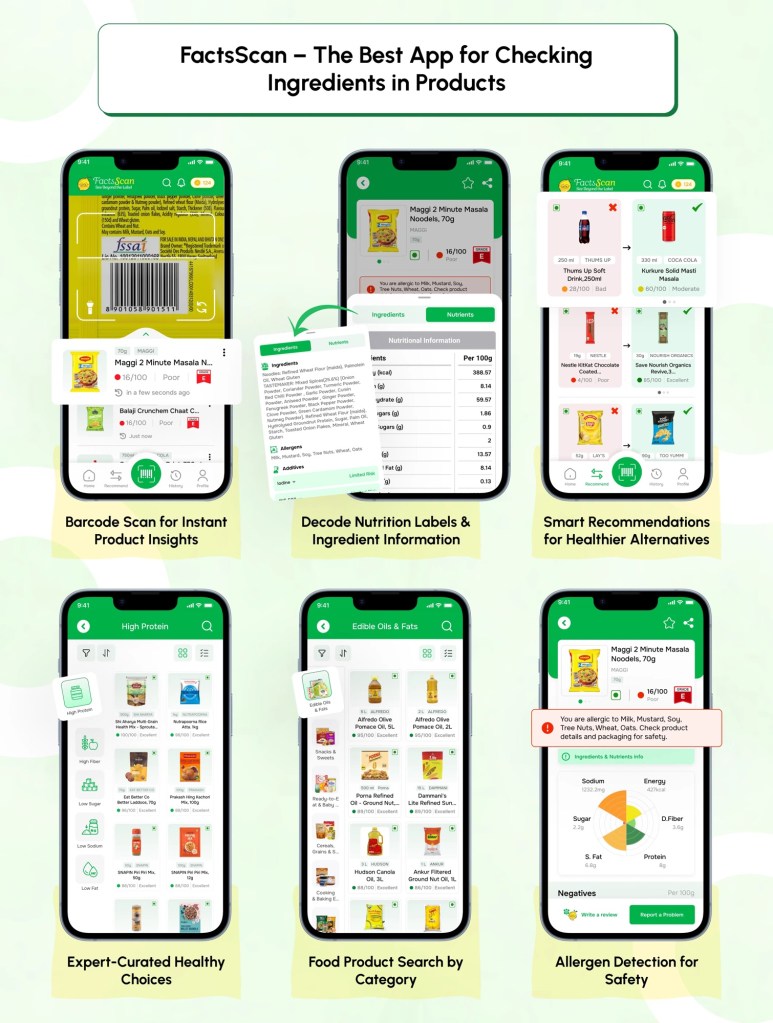
1. Scan a product barcode
2. Explain ingredients in plain language
3. Flag additives that may cause concern
4. Suggest healthier alternatives
This makes food knowledge accessible to everyone—not just nutritionists or food scientists.
Smart Food Scanning Apps
Several AI-powered apps are already transforming grocery shopping:
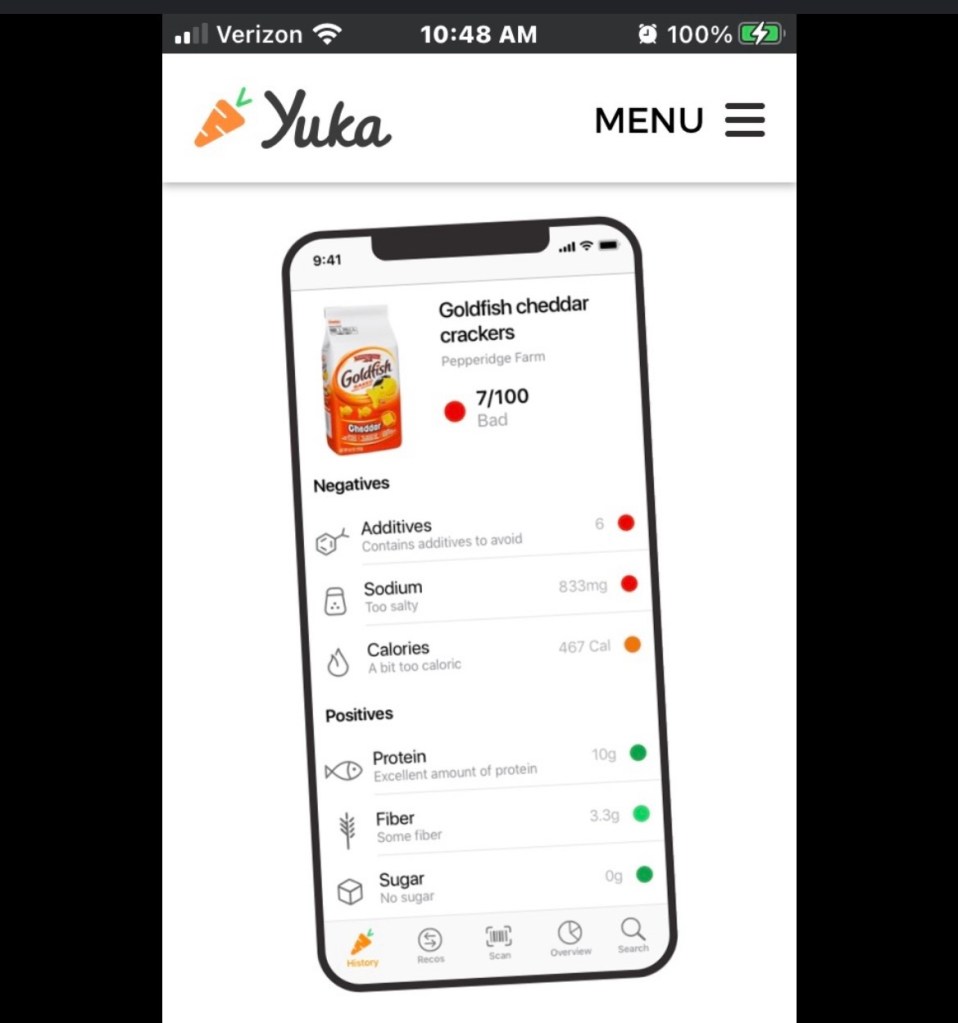
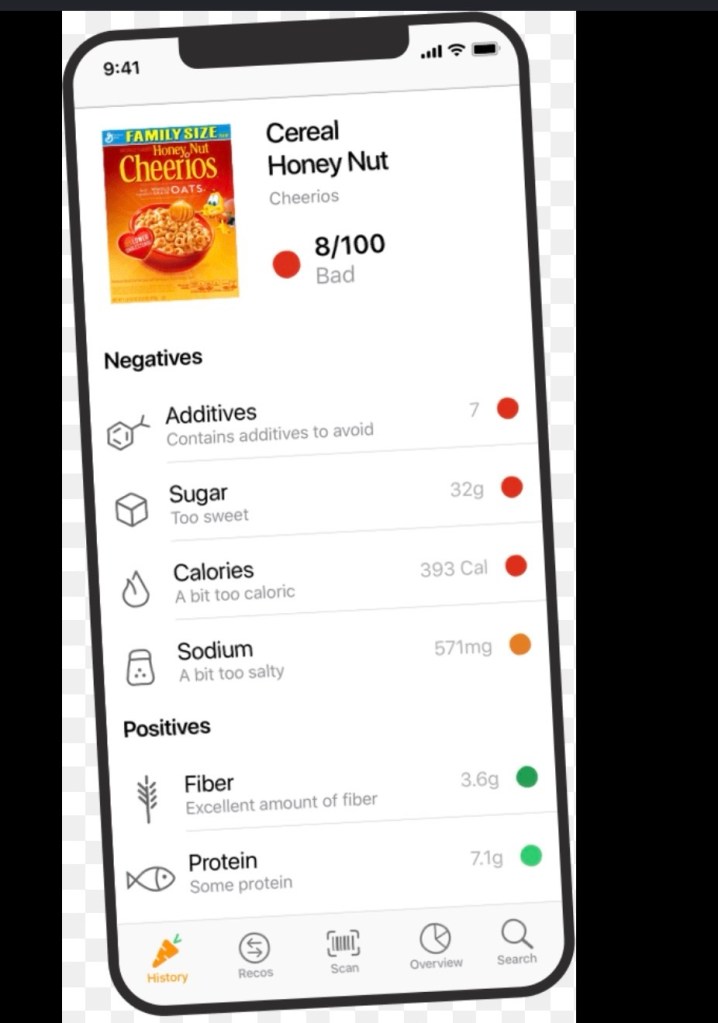
Yuka analyzes over 1.5 million food products, providing simple color-coded ratings and highlighting potentially problematic additives. The app considers scientific studies and regulatory standards to give each product a score from 0 to 100.
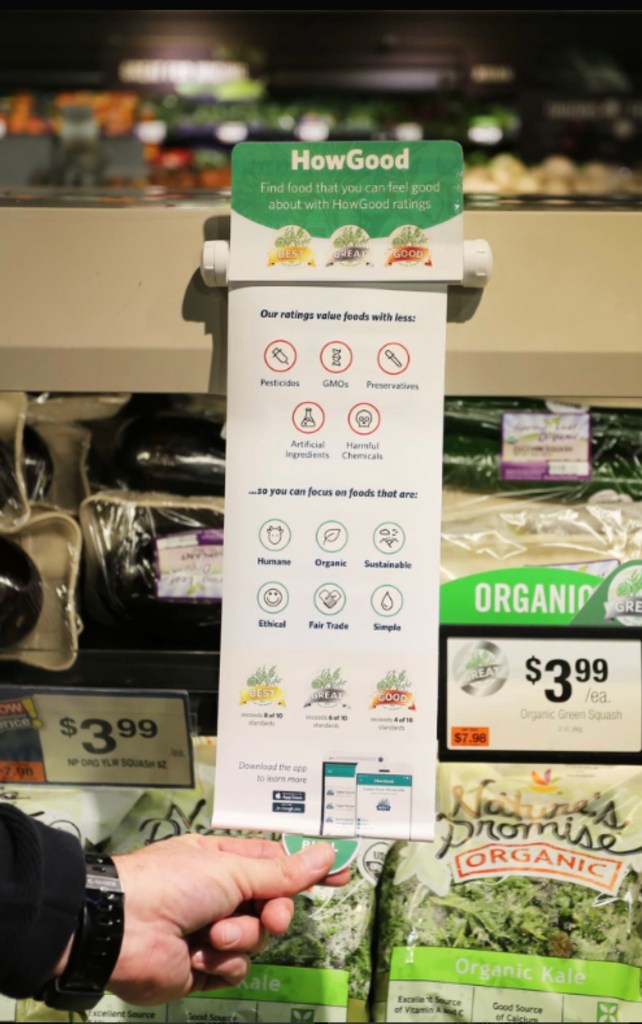
HowGood focuses on ingredient transparency and sustainability, flagging additives with questionable safety profiles while considering environmental impact. It’s particularly useful for consumers who want to balance health and environmental concerns.
FactsScan app is an AI-powered food label scanner designed to help people quickly understand what’s in packaged foods and whether the ingredients may be healthy or risky.
Although product databases may be stronger in Europe and North America, these apps are increasingly useful in African supermarkets, especially for imported products.
Why This Matters in Ghana and Across Africa
Africa is experiencing a rapid nutrition transition:
Increased consumption of packaged foods Rising rates of diabetes and hypertension Growing childhood obesity in urban areas
At the same time, many traditional diets—rich in vegetables, legumes, fermented foods, and whole grains—are being replaced by highly processed alternatives.
AI tools can help people:
Compare processed foods more easily
Reduce intake of unnecessary additives
Make smarter decisions within their budget
For families managing chronic conditions like diabetes, this can be especially valuable.
Personalized Nutrition Guidance
One of the most powerful aspects of AI is personalization.
Future and emerging tools can:
Learn your shopping habits
Flag ingredients you prefer to avoid
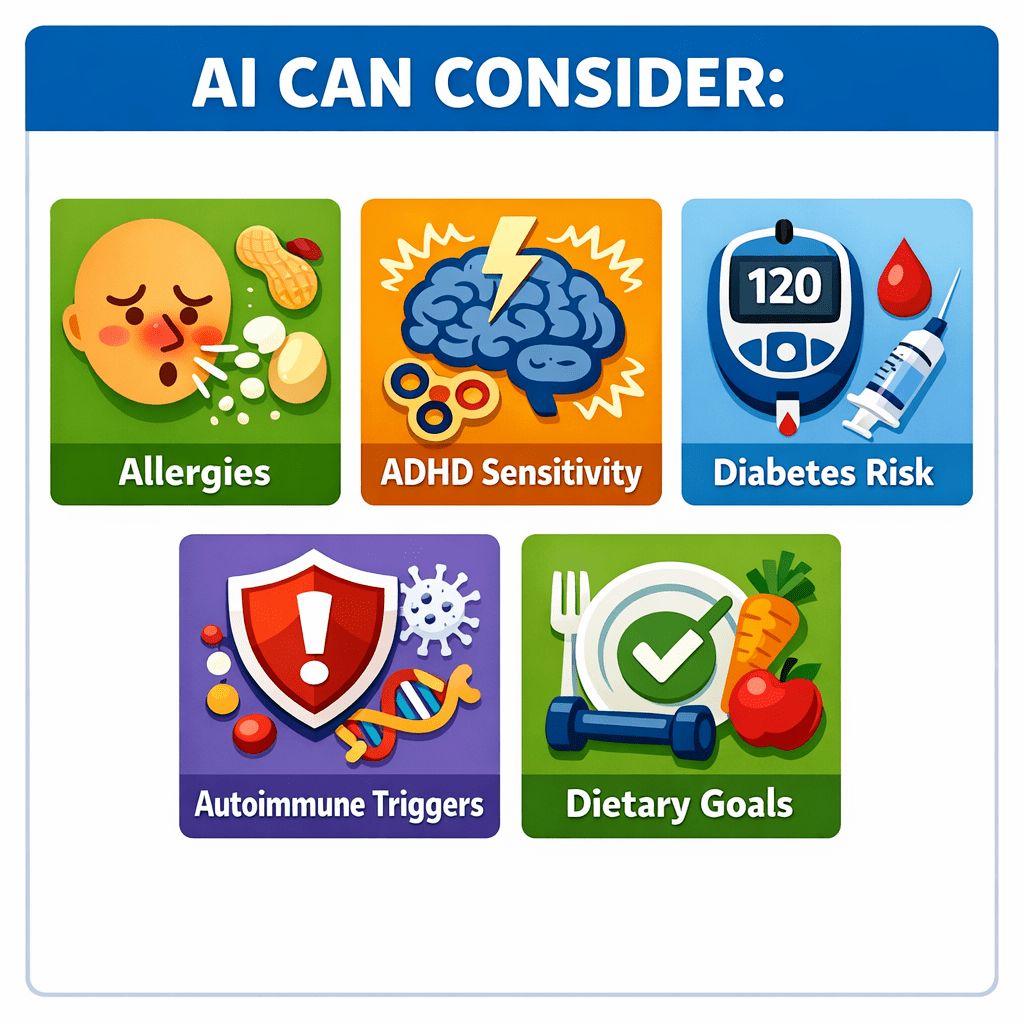
Consider allergies or sensitivities
Provide tailored suggestions
For example:
1. Parents may receive alerts about artificial colors.
2. People with hypertension may be warned about high sodium levels.
3. Individuals managing diabetes can track sugar and refined carbohydrate content more easily.
As a nutritionist or health educator, this makes AI a strong ally in preventive health.
Pattern Recognition and Learning
Unlike static information sources, AI systems can identify patterns in your food choices and health responses. If you consistently avoid products with certain preservatives, the AI learns this preference and proactively alerts you to similar additives in new products.
Current Limitations and Important Considerations
AI is powerful—but it is not perfect.
Important things to remember:
1. Research on additives is still evolving.
2. Individual reactions vary.
3. AI should not replace medical advice.
4. Local foods and street foods may not yet be well represented in databases.
These tools are best used as guidance, not absolute rules.
Getting Started with AI for Healthier Shopping
If you want to try AI-assisted food choices:
- Download a food-scanning app like Yuka.
- Use it during one shopping trip to learn how it works.
- Focus first on products you buy often.
- Pay attention to patterns rather than single ingredients.
- Remember that traditional foods—beans, kontomire, millet, fermented foods, fresh fish—are often naturally healthier than heavily processed foods.
The Future of Smarter Eating in Africa
The future could include:
- AI integrated into supermarket apps
- Personalized nutrition plans based on local foods
- Wearables that track how diet affects sleep, blood sugar, or energy
- Databases that include African packaged foods and traditional meals
Imagine walking into a supermarket and instantly knowing which products align with your health goals.
That future is closer than many people realize.
Conclusion
AI is not replacing nutrition knowledge—it is making it accessible.
For Ghanaian and African consumers, this technology offers an opportunity to:
- Understand food labels more easily
- Reduce harmful additives
- Prevent lifestyle diseases
- Make informed choices for their families
The next time you pick up a product and struggle to understand the ingredients, remember: the tools to help you are already in your pocket.
Better food choices are no longer limited to experts. With AI, healthier eating is becoming easier for everyone.
 Nutrition & Tech
Leave a comment