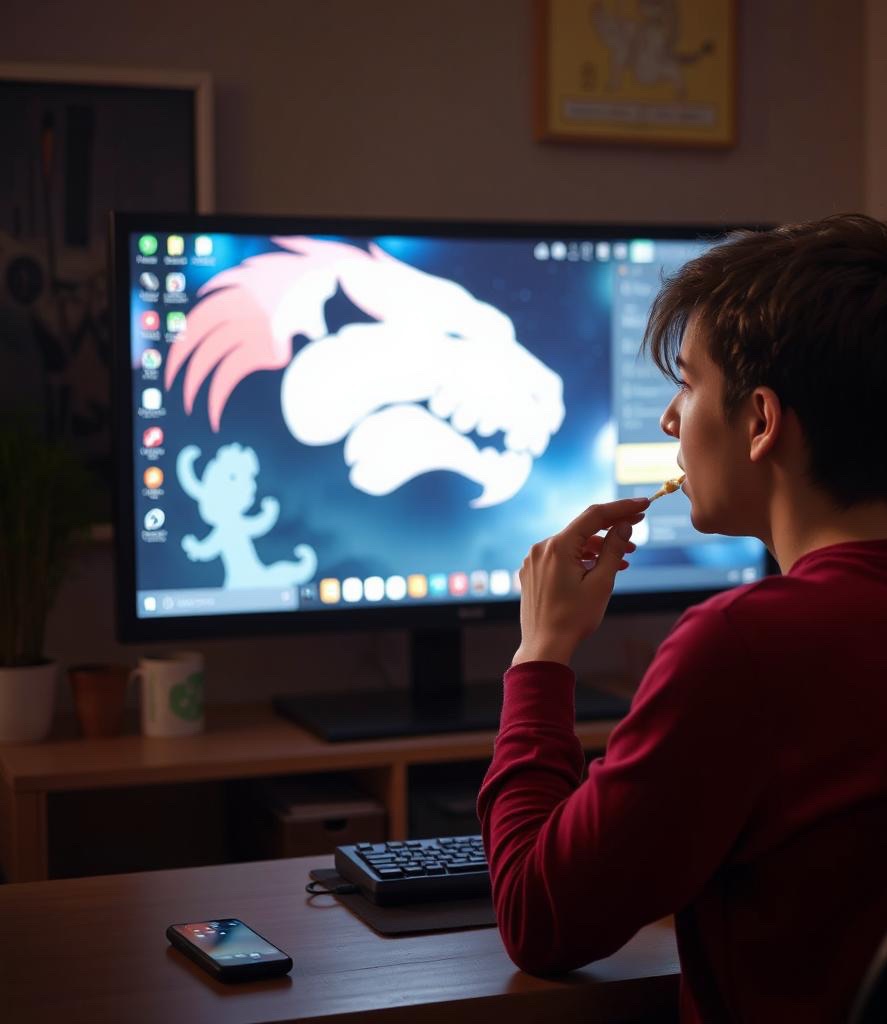
In today’s digital world, it’s common to eat meals while scrolling through social media, watching Netflix, or responding to emails. But did you know that distracted eating can significantly impact your food intake and overall health? Research shows that eating while engaged with a screen can lead to overeating, reduced satiety, poor digestion, and unhealthy food choices—all of which can affect your long-term well-being.
As screen time increases, so does the prevalence of mindless eating, which can contribute to weight gain, digestive issues, and a lack of appreciation for the food we consume. In this post, we’ll explore the science behind distracted eating, how digital distractions influence your diet, and what you can do to build healthier eating habits.
Why Do We Eat More When Distracted?
Our brains play a crucial role in recognizing hunger and fullness signals. When you focus on eating, you become more aware of portion sizes, flavors, and satisfaction levels. However, when your attention is diverted—whether by a TV show, phone, or laptop—your brain doesn’t fully process how much you’re eating.Our brains play a crucial role in recognizing hunger and fullness signals. When you focus on eating, you become more aware of portion sizes, flavors, and satisfaction levels. However, when your attention is diverted—whether by a TV show, phone, or laptop—your brain doesn’t fully process how much you’re eating.
Here’s How Screen Time While Eating Affects Your Food Intake:
1. You Lose Track of Portions and Calories
A study published in the American Journal of Clinical Nutrition found that people who ate while distracted consumed up to 25% more calories than those who focused solely on their meal. The reason? You’re not paying attention to how much food you’re putting into your mouth, making it easy to overeat without realizing it.
Mindless eating can also lead to consuming extra snacks later in the day, as your brain doesn’t register the meal as fully satisfying. This can contribute to weight gain and unhealthy eating habits over time.

2. Delayed Fullness Signals Lead to Overeating
Your brain and gut work together to regulate appetite. It takes about 20 minutes for your stomach to signal to your brain that you’re full. However, when you’re absorbed in your phone, TV, or tablet, you’re less likely to recognize these signals, making it more likely that you’ll continue eating past fullness.
Over time, this can disrupt your body’s natural hunger and satiety cues, making it difficult to control portions and maintain a healthy weight.
3. Mindless Eating Reduces Food Satisfaction
Have you ever finished a meal while binge-watching a show and barely remembered what it tasted like? That’s because distractions reduce sensory awareness—the process of fully experiencing the taste, texture, and aroma of food.
When you don’t focus on your meal, your brain doesn’t register the experience, leading to lower food satisfaction. This often results in cravings for more snacks, particularly high-calorie, processed foods that provide instant gratification.

The Science Behind Screen Time and Eating Habits
Studies indicate that digital distractions affect more than just how much we eat—they also impact what we eat.
• A study in Appetite Journal found that people who watch TV while eating are more likely to consume high-calorie, processed foods rather than nutrient-dense options like fruits and vegetables.
• Research from The American Journal of Clinical Nutrition suggests that people who eat while using their phones or laptops tend to consume more sugary and salty snacks rather than balanced meals.
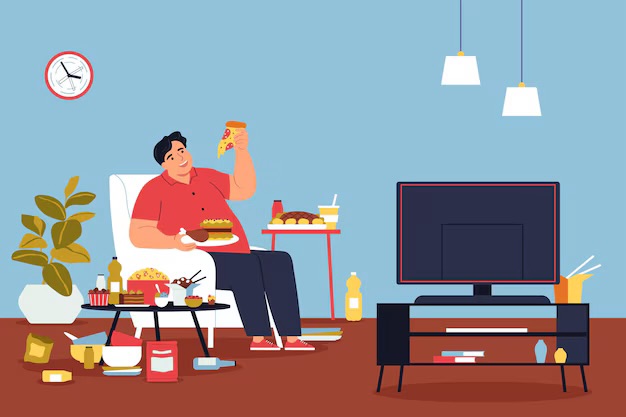
Why Does This Happen?
1. Engaging content triggers cravings – Social media, fast-paced movies, and video games can stimulate stress and excitement, leading to cravings for comfort foods high in sugar and fat.
2. Reduced mindfulness in food choices – When distracted, people are less likely to make conscious food choices and more likely to eat whatever is convenient, processed, and fast.
3. Increased portion sizes – Eating while watching TV often means finishing larger portions because people don’t notice how much they’ve eaten.
How Distracted Eating Affects Digestion

Beyond overeating and unhealthy food choices, distracted eating can also impact your digestion and gut health.
1. Poor Chewing Habits
When focused on a screen, many people chew less thoroughly and eat too quickly, which can lead to indigestion, bloating, and poor nutrient absorption. Chewing food properly allows your stomach to break it down efficiently, aiding in digestion and preventing gastrointestinal discomfort.
2. Increased Risk of Acid Reflux
Eating while watching TV or using a phone often leads to faster consumption and larger bites, which can cause acid reflux and heartburn. Proper eating habits—such as chewing slowly and sitting upright—help reduce these digestive issues.
3. Disrupted Gut-Brain Connection
Your gut and brain are connected through the gut-brain axis, which influences digestion, mood, and appetite regulation. Distracted eating can interfere with this connection, leading to gut imbalances, irregular digestion, and poor appetite control.
How To Break The Habit Of Distracted Eating
If you’re used to eating while watching TV or scrolling through your phone, breaking the habit might take time—but it’s possible! Here are some practical tips to help you eat more mindfully:
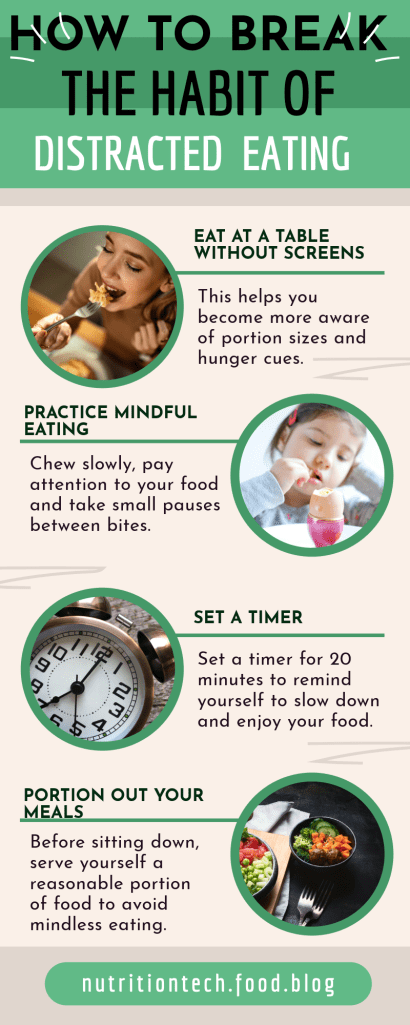
1. Eat at the Table Without Screens
Create a designated eating space where you can focus on your meal. Avoid eating in front of the TV or at your desk while working.
2. Practice Mindful Eating
• Chew slowly and savor each bite.
• Pay attention to the taste, texture, and aroma of your food.
• Take small pauses between bites to recognize fullness cues.
3. Set a Timer for 20 Minutes
If you tend to rush through meals while watching a show, set a timer for 20 minutes to remind yourself to slow down and enjoy your food.
4. Portion Out Your Meals
Before sitting down, serve yourself a reasonable portion rather than eating straight from a bag or container, which can lead to mindless overeating.
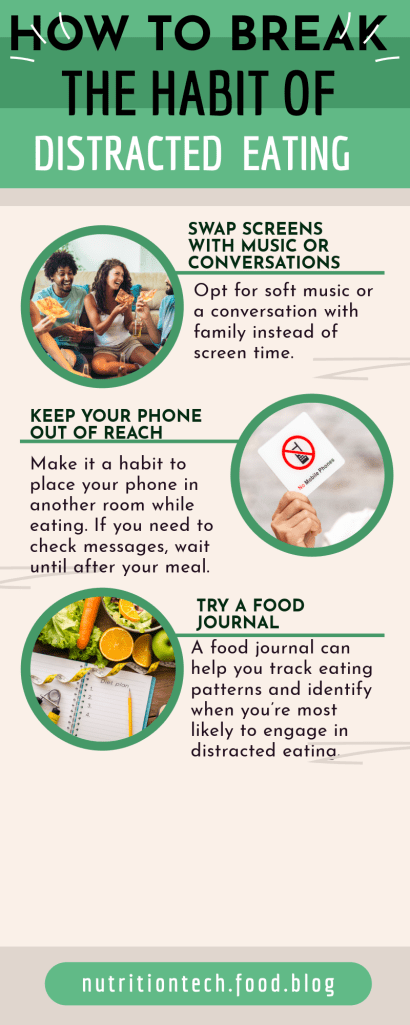
5. Swap Screens for Conversation or Music
If you enjoy background noise while eating, opt for soft music or a conversation with family instead of screen time. This helps keep the focus on your meal while still creating an enjoyable dining experience.
6. Keep Your Phone Out of Reach
Make it a habit to place your phone in another room while eating. If you need to check messages, wait until after your meal to do so.
7. Try a Food Journal
Keeping a food journal can help you track eating patterns and identify when you’re most likely to engage in distracted eating.
Final Thoughts: Be Present with Your Food
While it may be tempting to eat while watching TV or using your phone, doing so can lead to overeating, poor digestion, and reduced food satisfaction. By making a conscious effort to practice mindful eating, you can improve your relationship with food, digestion, and overall well-being.
Next time you sit down for a meal, put your phone away, turn off the TV, and truly savor your food—you’ll be surprised at how much more satisfying your meals become!
Key Takeaways:
✅ Avoid eating in front of screens to prevent overeating.
✅ Chew slowly and mindfully to aid digestion and satisfaction.
✅ Serve proper portions to maintain healthy eating habits.
✅ Reduce screen time and engage with your food for better health.
 Nutrition & Tech
Leave a comment